Biosolids always roll downhill
This April will mark our one year anniversary of being a USDA certified organic farm. I frequently get comments along the line of “I don’t eat flowers, so why should I care about them being organic?”
I understand the sentiment, and want to start addressing some of these questions in our blog. As someone who is really passionate about organic farming and has professional training in agriculture, I feel like this is an important topic for me to take on to provide transparency with our customers. This will be the first of several posts that (hopefully) give you some insight into what organic certification means and doesn’t mean, and why it should matter to YOU.
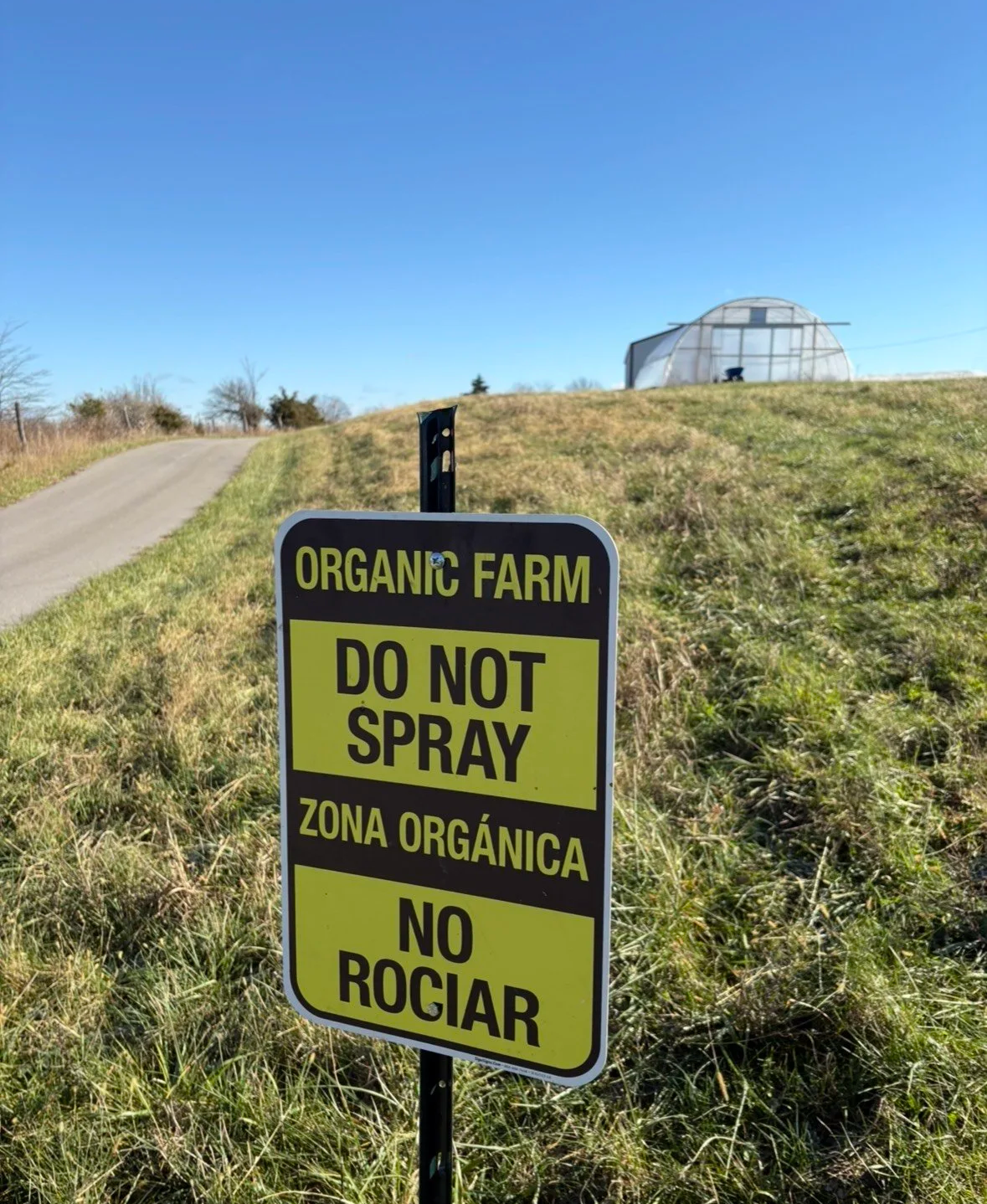
Sh!t (biosolids) always rolls downhill
I was having a conversation with a friend recently about biosolids (just a casual dinner conversation-haha) that made me realize that people outside of the environmental and agricultural industries may not know what biosolids are and how they are used in agriculture.
When sewage and industrial wastewater enters a wastewater treatment plant, not all of it can be treated. The portion of sewage that can’t be treated is called biosolids. These biosolids are rich in nutrients, but are also concentrated in metals such as lead, arsenic, and mercury. They can also contain “forever chemicals” like PFAS. There are multiple ways to dispose of biosolids (including incineration and transportation to landfills), but one of the common uses for them is to apply them as fertilizer on agricultural lands. USDA Certified Organic production PROHIBITS the application of these materials to agricultural lands that are certified. The application of biosolids on agricultural lands particularly concerns me when considering emergent contaminants like PFAS that are not well regulated. According to PennState Extension “there are no current US Food and Drug Administration (FDA) standards for PFAS in food products.” The longterm effect of PFAS in the environment and to human health are not well understood.
At Sav’s Garden, we want to do everything we can to avoid the application of PFAS chemicals to our community’s soils and water systems, which is part of the reason that we have pursued organic certification. Any product or material applied to agricultural soils has the potential to runoff into our waterways, potentially having widespread effects on the quality of our drinking water and ecosystems. My belief is that our USDA Organic certification is part (but definitely not all!) of the solution to protecting Kentucky farmlands and our community’s drinking water from contamination. While you may not eat your flowers, you live in this community and your water is impacted by what your farmer-neighbors are applying to their land. After all, shit always rolls downhill.
Sources:
-https://extension.psu.edu/effects-of-biosolids-on-soil-and-crop-quality
-https://extension.psu.edu/an-overview-of-pfas-and-land-applied-biosolids
-Adam Nolte P.G.